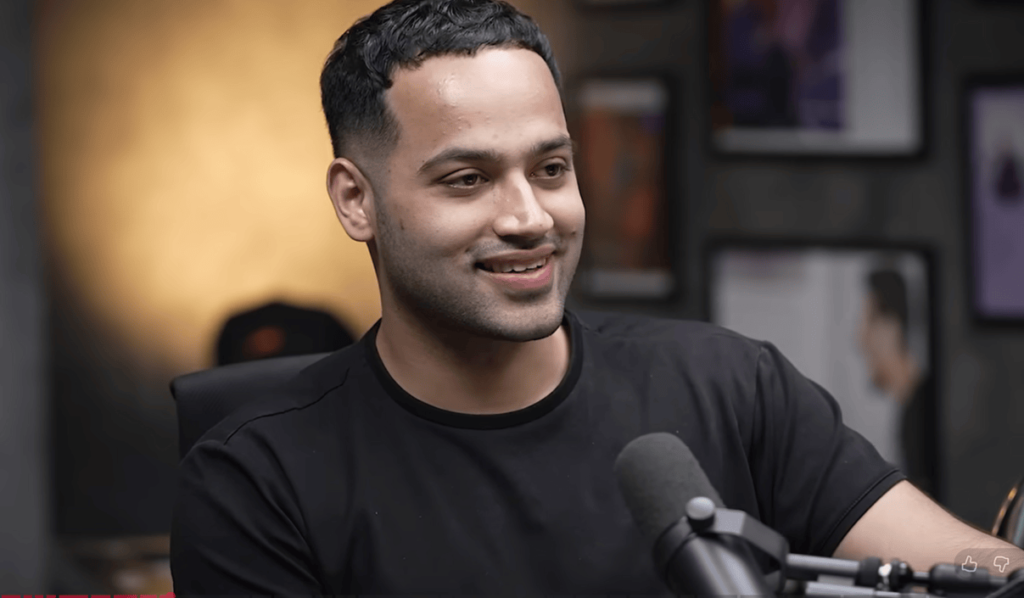
Raj Shamani has undeniably cemented his position as a titan in the Indian podcasting and YouTube landscape. Starting as a young entrepreneur, he transitioned himself into a digital powerhouse, building “Figuring Out”, a podcast which has reached new heights with each podcast.
With millions of subscribers and hundreds of millions of views, his channel has become the ultimate destination for insightful conversations. Raj’s unique ability to blend sharp business acumen with genuine curiosity makes his content both accessible and deeply engaging.
With his podcasts, he has cultivated a massive, loyal community eager to learn, grow, and figure out life alongside him.
Growth of ‘Figuring Out’ Podcast
A massive part of Raj’s meteoric rise is his unparalleled ability to secure sit-downs with some of the most elusive and powerful figures in the world. From global heads of state and billionaire tech founders to renegade entrepreneurs and top-tier policymakers, the guest roster on “Figuring Out” reads like a masterclass in networking.
Audiences flock to his channel because Raj consistently delivers access to rooms most people only dream of entering. He bypasses the standard PR fluff, asking the hard-hitting, relatable questions his viewers actually want answered, seamlessly transforming highly exclusive insights into public knowledge week after week.
Let’s dive into the 7 most powerful VVIPs (from least powerful to most powerful) who appeared on Raj Shamani’s Podcast.
1. Deepinder Goyal
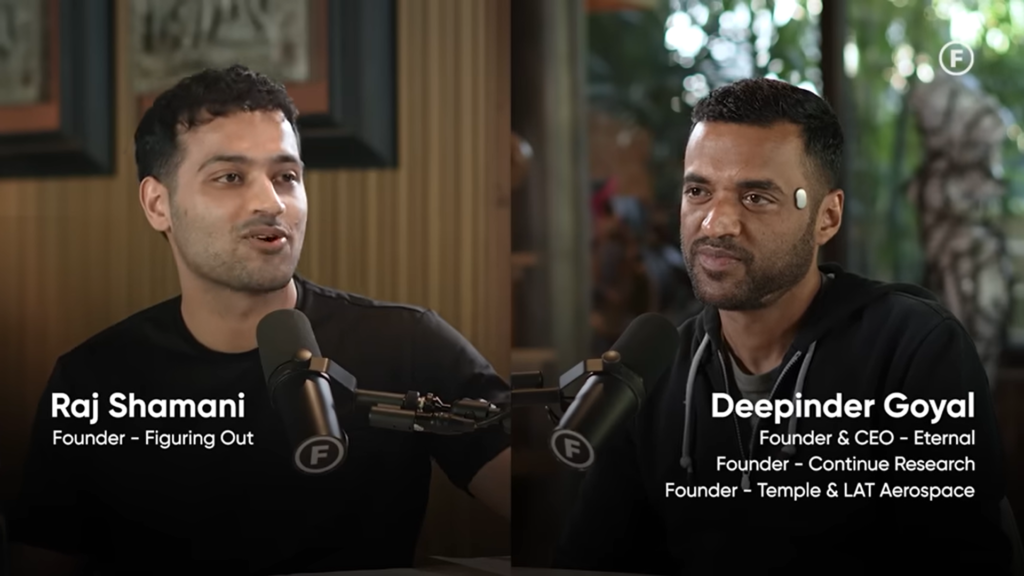
Deepinder Goyal is the visionary founder and CEO of Zomato, the company that revolutionized India’s food delivery and restaurant discovery landscape.
Known for his introverted nature and relentless drive, Goyal has transformed Zomato from a simple menu-scanning project into a multi-billion dollar, publicly traded enterprise that includes Blinkit.
In a rare and incredibly candid conversation, Goyal stripped away the corporate PR to reveal the chaotic yet highly effective inner workings of Zomato. He discussed overcoming severe childhood bullying and a persistent stutter, translating those early insecurities into an obsession with building a flawless product.
The episode delves deep into Zomato’s unconventional culture—operating without strict hierarchies, quarterly goals, or tracking metrics, relying instead on absolute trust and an intense “founder’s mindset” from its team. Goyal also shed light on the Blinkit acquisition, the reality of gig worker conditions, and his surprising new ventures into longevity tracking and aerospace.
Critical Takeaway – Goyal proved that sustainable growth comes from dismantling bureaucracy and embracing high trust. Replacing rigid KPIs with a relentless “founder’s mindset” forces extreme ownership and continuous execution across the organization.
2. Vijay Mallya
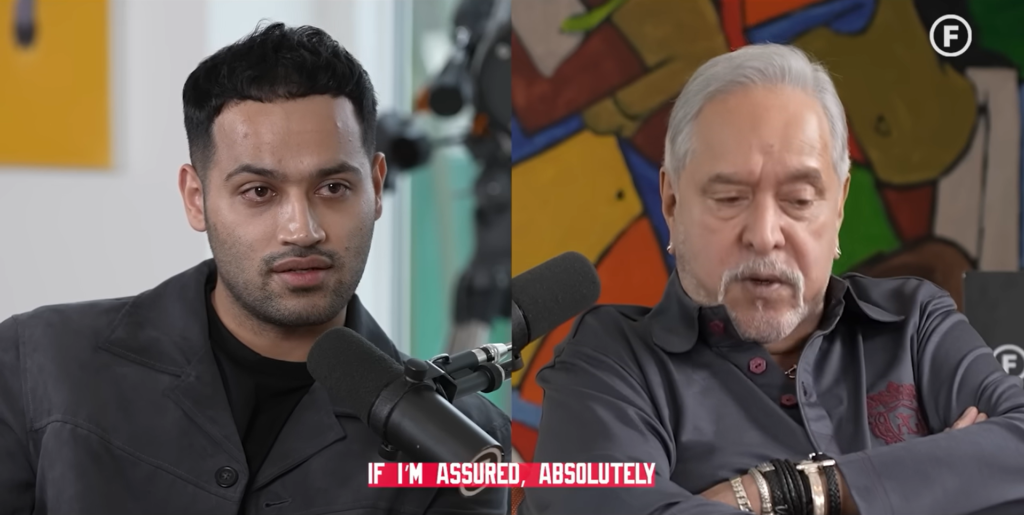
Vijay Mallya is a highly controversial Indian tycoon and former billionaire, best known for building the UB Group and launching Kingfisher Airlines.
Now residing in the UK, he faces ongoing extradition efforts by the Indian government surrounding massive loan defaults and fraud allegations tied to his airline’s collapse.
Breaking a 9-year media silence, Mallya used this interview to fiercely defend his legacy and dispute his “fugitive” label. He clearly denied siphoning bank funds, insisting Kingfisher Airlines’ collapse was a genuine business failure worsened by high fuel costs and restrictive government policies.
Mallya claimed that the Indian government has already recovered over Rs. 14,100 crore by seizing his assets, more than double the original loan principal. Portraying himself as a political scapegoat targeted by an aggressive media trial, he expressed a willingness to face the law in India, but only if guaranteed a fair and unbiased trial.
Mallya insists his downfall stems from macroeconomic issues and media trials, not fraud. He argued that genuine business failures in India are unfairly criminalized, blurring corporate debt with deceit.
3. Raghuram Rajan
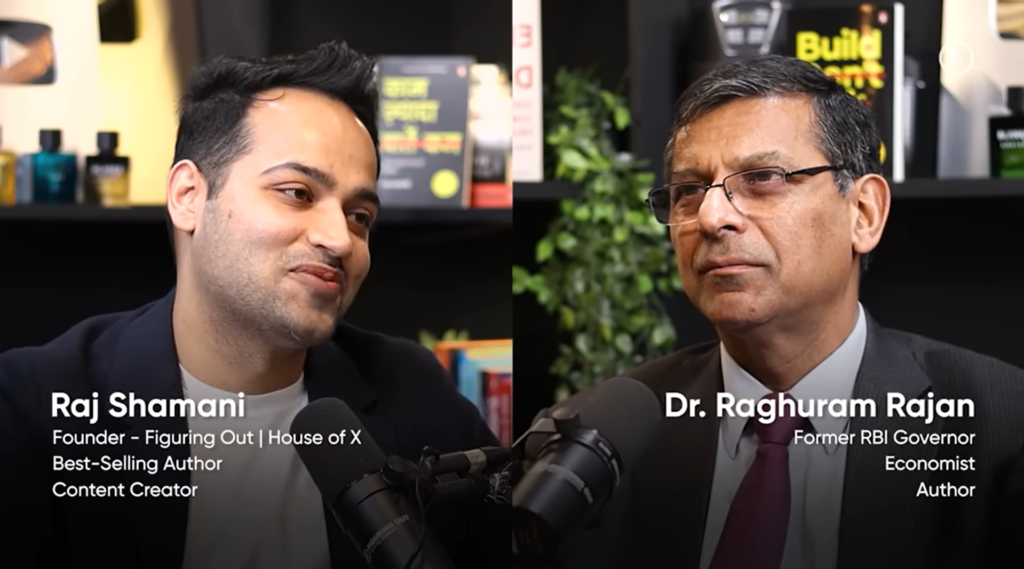
Raghuram Rajan is a globally renowned economist and the former Governor of the Reserve Bank of India (RBI).
Known for his intellectual rigor and pragmatic approach to monetary policy, he has been a leading voice on global finance, economic growth, and India’s potential to become a true economic superpower.
In this insightful episode, Dr. Rajan broke down complex economic machinery, explaining the RBI’s role in controlling inflation and currency value. He candidly labeled the 2016 demonetization as the worst economic decision in recent memory, noting its complete failure to uncover black money.
Comparing global superpowers, he warned India against adopting an aggressive “wolf warrior” diplomacy or blindly copying China’s manufacturing-heavy, authoritarian model. Instead, he advocates for capitalizing on India’s democratic strengths, emphasizing that true growth will stem from massive investments in human capital, higher education, and expanding the service and tourism sectors.
Critical Takeaway – To achieve superpower status, India must prioritize human capital and democratic openness over aggressive diplomacy and authoritarian manufacturing models, leveraging its service sector to drive future growth.
4. Mr. Beast
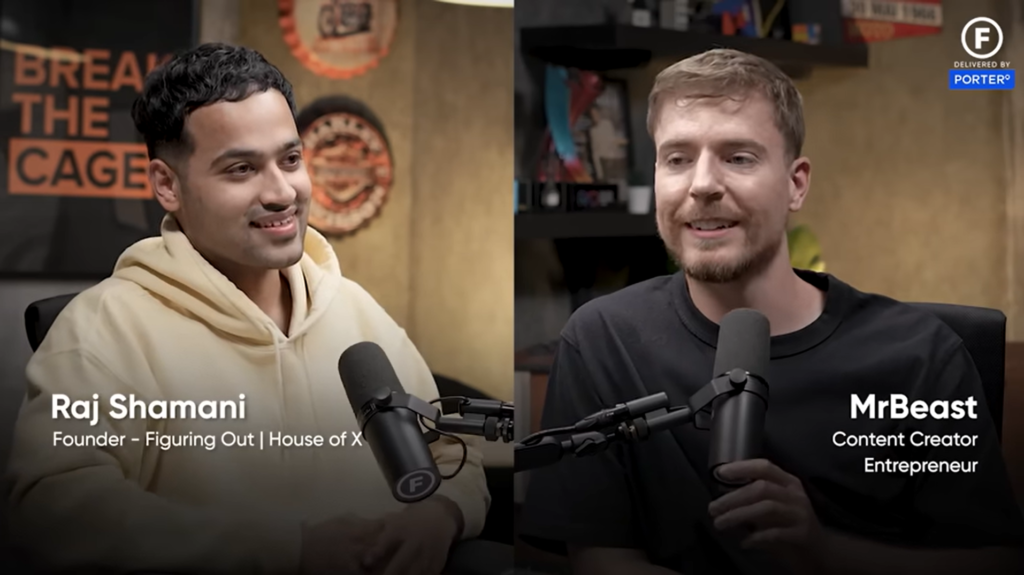
Jimmy Donaldson, universally known as Mr. Beast, is the world’s most subscribed YouTuber. Renowned for his extravagant philanthropic stunts and massive-scale challenges, he has redefined digital entertainment.
His relentless obsession with content creation has catapulted him to unprecedented heights, bridging the gap between internet videos and mainstream television.
In this revealing episode, Mr. Beast broke down the staggering scale of his operations, disclosing a massive $200 million annual content budget. He shared exclusive behind-the-scenes details of his new Amazon show, “Beast Games” featuring 1,000 contestants and a record-breaking $5 million prize.
Beyond the spectacle, Jimmy provided a masterclass on audience retention and virality, introducing his “Purple Cow” philosophy for original ideation. He also discussed the severe personal sacrifices required to maintain his dominance, alongside the steep learning curve of building his ethical chocolate brand, Feastables, proving his success is rooted in obsessive, continuous improvement.
Critical Takeaway – According to Mr. Beast, global dominance requires sacrificing personal comfort, relentlessly pursuing original “Purple Cow” ideas, and committing to compounding, marginal improvements on every single project.
5. Bill Gates
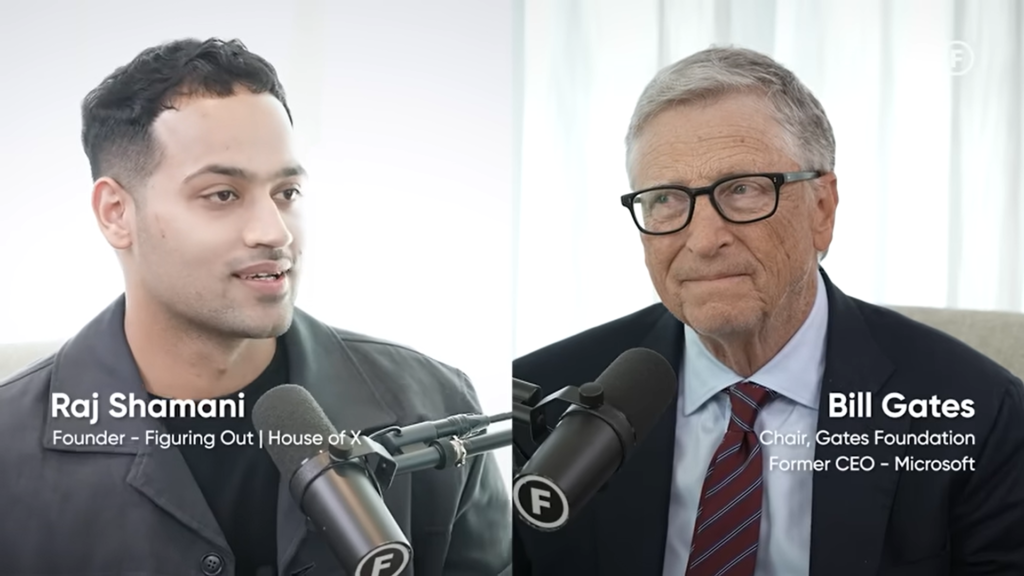
Bill Gates is a visionary technologist, billionaire philanthropist, and the co-founder of Microsoft.
After revolutionizing the personal computing industry, he transitioned his focus to global health and development through the Bill & Melinda Gates Foundation, dedicating his vast wealth to eradicating diseases and solving the world’s most pressing inequalities.
In this profound conversation, Gates reflected on his evolution from a maniacally focused twenty-something to a globally conscious philanthropist. He praised India’s explosive innovation in tech and healthcare, noting its crucial role in his foundation’s global strategy.
Gates also opened up about his personal fears of losing his cognitive sharpness with age and advocates for lifelong learning. He also discussed his unconventional approach to wealth, explaining why he is leaving less than one percent of his fortune to his children. Ultimately, Gates shared his ambitious, optimistic vision of eradicating polio within five years and leveraging AI for mental health.
Critical Takeaway – Gates emphasizes that true global progress requires relentless lifelong learning, empathetic philanthropy, and focusing technological innovations like AI, on solving humanity’s biggest health and educational challenges.
6. Dr. S Jaishankar
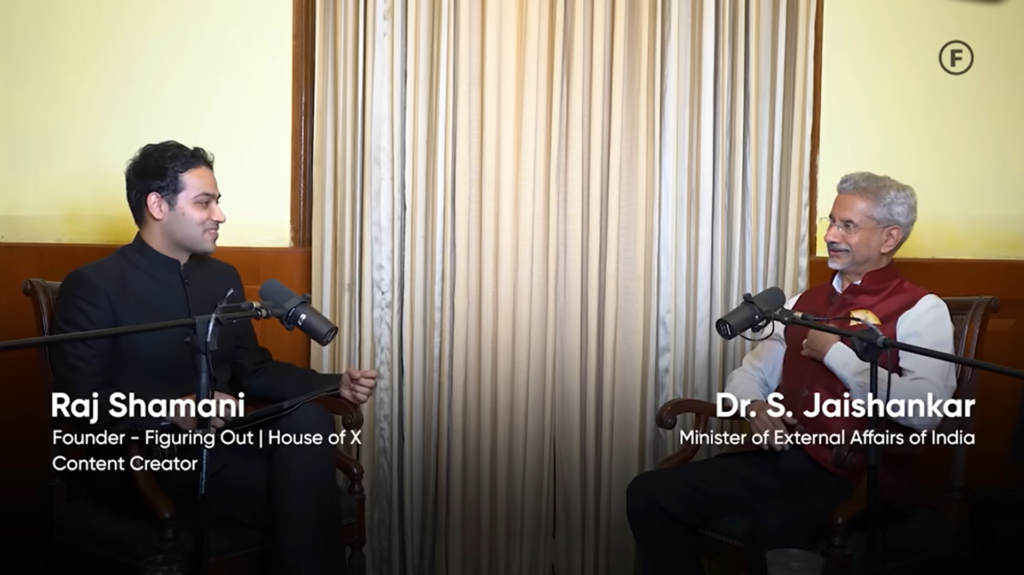
Dr. S Jaishankar is India’s Minister of External Affairs and a career diplomat renowned for his sharp, unapologetic articulation of India’s foreign policy.
With decades of global experience, he has been instrumental in navigating complex geopolitics and firmly establishing India as a confident, independent global power.
In this masterclass on geopolitics, Dr. Jaishankar decoded the rationale behind India’s bold, independent foreign policy. He explained India’s pragmatic stance on the Russia-Ukraine conflict, emphasizing national interest and global market stabilization.
The conversation dives deep into managing relations with a dominant China, tackling massive manufacturing dependencies, and countering “debt-trap” diplomacy by positioning India as a credible, generous partner in the Global South.
He also addressed pressing issues like US visa delays, protecting the Indian diaspora from extremism abroad, and his ultimate “Indian Dream”—a future where India’s passport and ideas command profound global respect.
Critical Takeaway – India’s rise requires unapologetic strategic autonomy. Dr. Jaishankar proves that true global influence comes from prioritizing national interests, countering geopolitical bullies, and earning respect through decisive, independent leadership.
7. Emmanuel Macron
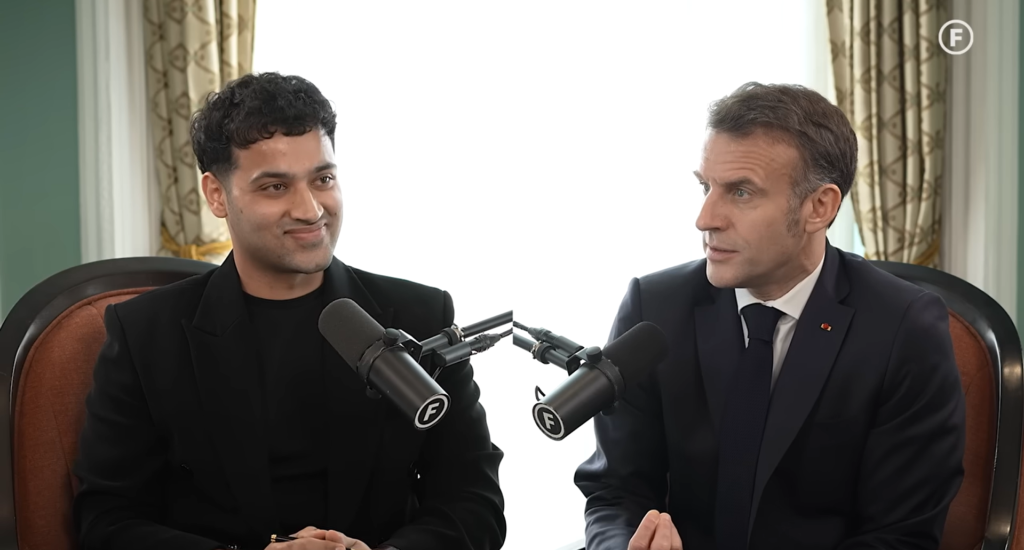
Emmanuel Macron is the President of France, known for his dynamic leadership and vision for a sovereign, united Europe.
As the youngest president in French history, he has navigated complex global crises while aggressively pushing to position France as a premier global hub for technology, innovation, and culture.
In this historic first podcast appearance, President Macron outlined his bold vision for a multipolar world where Europe and India champion strategic autonomy, independent of US or Chinese dominance. He praised India’s digital leaps like UPI and invites Indian students and founders to leverage France’s thriving, English-friendly tech ecosystem.
Macron candidly discussed geopolitical tensions, the necessity of respect among global leaders—referencing past frictions with Donald Trump—and Europe’s massive investments in AI and quantum computing. Ultimately, he stressed that true innovation requires a cultural shift towards embracing risk and accepting failure as a stepping stone to success.
Critical Takeaway – Macron champions a multipolar world and strategic autonomy, urging nations like France and India to lead in AI and quantum tech by aggressively embracing risk and international collaboration.