
So you want to build a profitable YouTube channel, without ever stepping in front of a camera?
You are not alone. Across the globe, faceless YouTube channels (often called automated channel) have exploded in popularity.
From luxury lifestyle roundups and historical documentaries to psychology essays and financial breakdowns, creators are generating millions of views and massive revenues without revealing their identity.
If you value your privacy, don’t own high-end camera gear, or simply want to scale multiple channels at once, a faceless channel is the only thing you need.
Here is the step-by-step blueprint on how to start and grow a successful faceless YouTube channel from scratch.
1. Choose a High-Value Niche
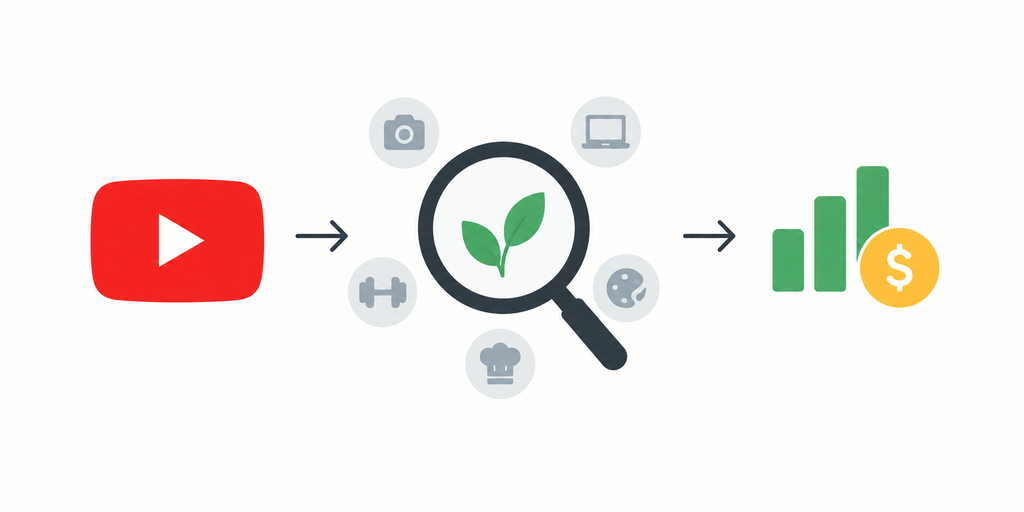
With a faceless channel, your content has to rely entirely on the topic, the story, and the visual execution.
Choosing the right niche is very important as it will dictate your potential viewership and your earnings per view (RPM).
Top Faceless Niches which are famous worldwide are given below:
Finance & Wealth: Stock market breakdowns, side hustles, real estate, and personal finance tips. (High RPM).
Psychology & Self-Improvement: Stoicism, human behavior, productivity frameworks, and mental models. (Massive audience appeal).
True Crime & Mysteries: Compelling storytelling and historical deep-dives. (Incredible viewer retention).
Tech & Artificial Intelligence: AI tutorials, software reviews, and futuristic gadgets. (High search demand).
Luxury & Motivation: Success stories of billionaires, luxury lifestyles, and mindset shifts.
There is a golden rule though. Pick a niche you genuinely enjoy researching.
Even if you aren’t on camera, you will spend hours reviewing scripts, editing footage, and analyzing analytics.
2. Master the Script
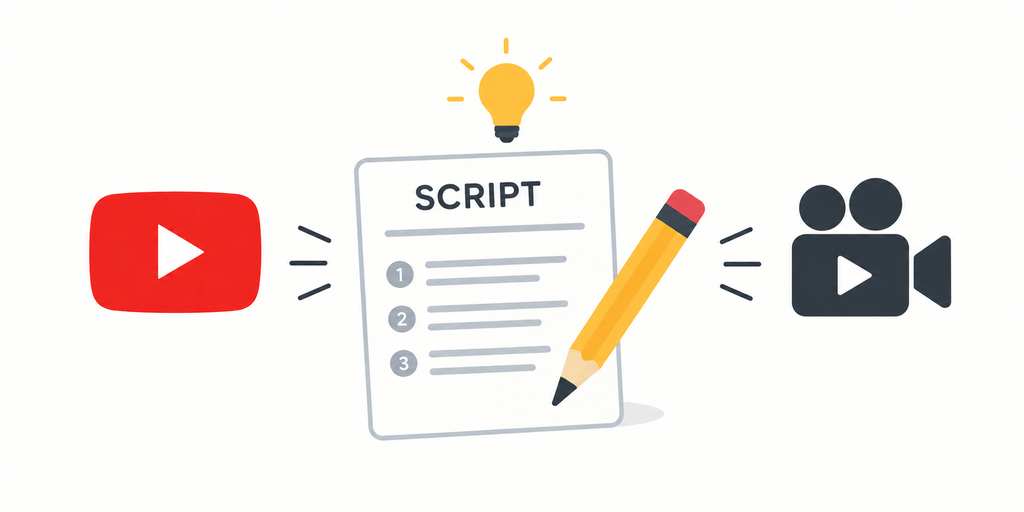
On a faceless channel, the script is everything.
If your script feels slow for even 30 seconds, viewers will click away, destroying your Average View Duration (AVD) and killing your video in the Youtube algorithm.
So, how do you write a script that will go viral?
Never start with a generic logo intro. State the core problem or shocking statistic immediately.
(“99% of people fail at budgeting because of this one hidden psychological trap…”)
Deliver value logically, using storytelling, pacing, and chapter transitions to maintain momentum.
Tease a valuable insight coming up later in the video to keep viewers watching longer because people only wait when they feel like they will miss something if they skip.
Prompt viewers to subscribe or check out a resource naturally without sounding desperate.
Pro Tip: While AI writing tools can help brainstorm outlines and draft sections, always rewrite and inject human storytelling, emotion, and precise facts to avoid generic, robotic text.
3. Perfect Your Audio
One fact that you need to know is that viewers can tolerate average video visuals once, but they will never tolerate bad audio. Sound is 50% of your video’s quality.
You have two voiceover options.
The first one is to record your own. You don’t need a facecam, but you do need a decent microphone (like a Rode, HyperX QuadCast, or Fifine USB mic) and a quiet room.
Second is making the use of AI Voice Generators. Many modern faceless channels use ultra-realistic AI voice synthesis tools (such as ElevenLabs).
If you use AI voices, ensure the intonation matches the emotion of the script and check YouTube’s monetization guidelines regarding synthetic media to maintain compliance.
For sound effects and background music, layer in copyright-free background music (from YouTube Audio Library, Epidemic Sound, or Artlist) and subtle sound effects (swooshes, clicks, typing sounds) to keep the auditory experience dynamic.
4. Sourcing Visuals and Editing Like a Pro
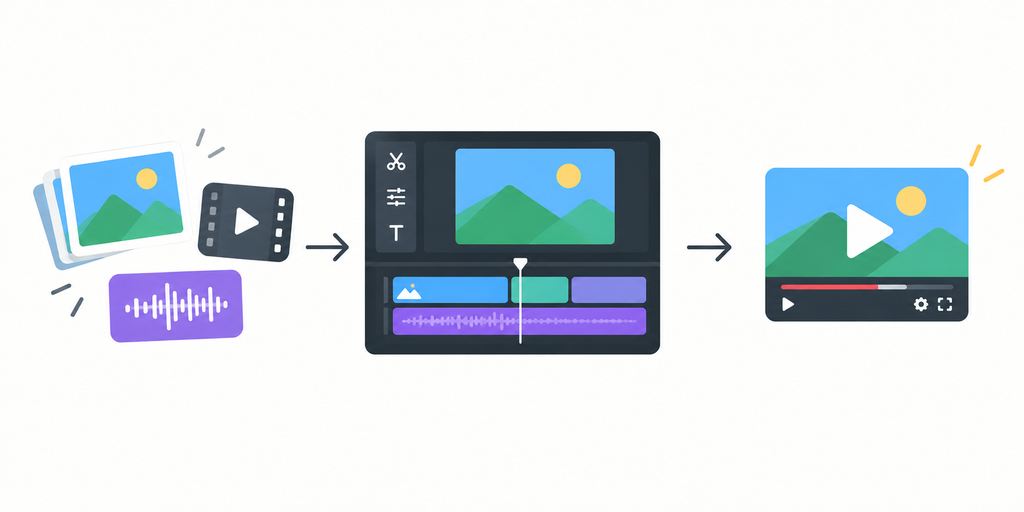
Since you aren’t recording yourself, your video relies on a rich combinations of B-roll, stock footage, graphics, and kinetic text.
For these graphics and footage, use high-quality stock video platforms like Pexels, Pixabay, Storyblocks, or Shutterstock.
If you want AI to do your video generation, that also works. There are AI softwares dedicatedly for this sole purpose.
InvideoAI, VMakerAI, FlikiAI, etc. are some of them. You post your script and they will give you the videos.
Combine cinematic footage with relevant screenshots, charts, and meme references (if required according to your script) to illustrate your points.
Master an editing tool like CapCut (Desktop), Adobe Premiere Pro, or DaVinci Resolve whichever suits you and do the editing there itself for every video.
Also, change the visual on screen every 3 to 5 seconds (using a zoom, pan, B-roll cut, or graphic overlay) to prevent visual fatigue and keep retention soaring.
5. Design High-CTR Thumbnails and Catchy Titles

Without a recognizable human face or personal brand to draw clicks, it is your title and thumbnail that must do all the heavy lifting.
For the thumbnail,make sure you keep it clean, high-contrast, and curiosity-inducing.
Use bold text (no more than 3–4 words), expressive imagery, or mysterious graphic elements that make the viewers say to themselves, “Wait, this seems interesting.”
Pair your thumbnail with a title that creates an information gap.
Instead of naming a video “How to invest money,” title it “The 5 Investments Billionaires Are Quietly Buying Right Now.”
Final Thoughts
Starting a faceless YouTube channel is not a “get-rich-quick” scheme. It is a digital media asset cum business which will generate you passive income.
It requires discipline, rigorous research, and consistent editing.
However, once you establish a workflow and find your footing in the algorithm, it becomes one of the most scalable and rewarding online ventures available today.